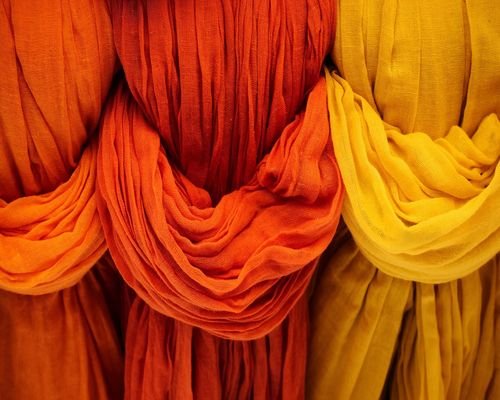
 # Understanding Fabric GSM: A Comprehensive Guide
In the textile industry, understanding the properties of fabric is crucial for manufacturers, designers, and consumers alike. One of the most important metrics used to describe fabric is GSM. But what exactly is GSM, and why is it so significant? This article will delve into the concept of fabric GSM, explaining its importance, how it is measured, and its application in various industries.
## What is Fabric GSM?
Fabric GSM stands for “grams per square meter,” which is a metric measurement of the weight of a fabric. It indicates how heavy the fabric is by measuring the weight of a square meter of the material. This measurement is crucial as it helps in determining the suitability of fabric for specific applications.
### Why is GSM Important?
GSM is an essential factor in the textile industry for several reasons:
– **Quality Indication:** A higher GSM often suggests a thicker, more durable fabric, while a lower GSM indicates a lighter, more breathable material.
– **Application Suitability:** Different applications require different fabric weights. For instance, heavyweight fabrics are ideal for upholstery, while lightweight fabrics are preferred for summer clothing.
– **Cost Implications:** Generally, higher GSM fabrics require more raw material, potentially increasing the cost.
## How is GSM Measured?
Measuring GSM involves a straightforward process, although precision is key. The standard method includes:
1. **Sample Cutting:** A sample of the fabric is cut into a specific size, usually 100 cm².
2. **Weighing:** The sample is weighed using a precise scale.
3. **Calculation:** The weight of the sample is then extrapolated to determine the weight per square meter.
This process ensures that the GSM measurement is accurate, providing reliable data for decision-making in fabric selection.
### Tools for Measuring GSM
There are specialized tools available for measuring GSM, including GSM cutters and digital scales. These tools help ensure accuracy and consistency in measurements. Additionally, some laboratories and textile testing centers offer GSM measurement services.
## Applications of GSM in Different Industries
GSM plays a pivotal role across various sectors within the textile industry. Let’s explore some of these applications:
### Apparel Industry
In the apparel industry, GSM is crucial in determining the appropriate fabric for different types of clothing. For instance:
– **Lightweight Fabrics (50-150 GSM):** Ideal for summer wear, including t-shirts and dresses, due to their breathability.
– **Medium Weight Fabrics (150-350 GSM):** Suitable for casual wear, like shirts and trousers, offering a balance between comfort and durability.
– **Heavyweight Fabrics (350+ GSM):** Used for coats, jackets, and other outerwear, providing warmth and protection.
### Home Textiles
For home textiles, GSM is an important consideration in product selection:
– **Bedding:** Higher GSM fabrics are preferred for durability and comfort in sheets and duvet covers.
– **Towels:** Towels with a higher GSM are more absorbent and plush, making them desirable for luxury bath linens.
### Industrial Applications
In industrial applications, GSM helps determine the suitability of fabrics for various uses:
– **Automotive Textiles:** Durable, heavyweight fabrics are used for car interiors to withstand wear and tear.
– **Geotextiles:** These require specific GSM measurements to ensure functionality in construction and landscaping.
## Factors Influencing Fabric GSM
Several factors can influence the GSM of a fabric, including:
– **Fiber Type:** Different fibers have varying densities which can affect the overall weight and GSM.
– **Weave/Tightness:** The tightness of the weave can impact the fabric’s weight, with tighter weaves generally resulting in higher GSM.
– **Finishing Processes:** Treatments such as washing or adding coatings can alter the weight and, consequently, the GSM.
Understanding these factors can help manufacturers and consumers make informed choices about fabric selection.
## How to Choose the Right GSM for Your Needs
When selecting fabric, consider the intended use and desired properties. Here are some tips:
1. **Identify the Purpose:** Determine if the fabric needs to be lightweight for summer wear or heavyweight for winter clothing.
2. **Consider Durability:** For items subject to frequent use or stress, opt for higher GSM fabrics.
3. **Assess Comfort:** For garments in direct contact with the skin, balance weight with softness and breathability.
### Balancing GSM with Other Fabric Properties
While GSM is a critical factor, it should be considered alongside other properties such as texture, stretch, and colorfastness to ensure the fabric meets all requirements.
## Conclusion
Fabric GSM is a fundamental concept in the textile industry, providing valuable insights into the fabric’s weight and suitability for various applications. By understanding and measuring GSM, manufacturers and consumers can make informed decisions, ensuring the fabric meets the desired specifications and quality standards.
For more detailed information on textile measurements and standards, you can visit [Wikipedia’s Textile Standards](https://en.wikipedia.org/wiki/Textile_standard) (follow link) for a comprehensive overview. Additionally, if you’re looking for specialized tools for GSM measurement, consider visiting a reputable supplier’s website (nofollow link).
By considering GSM and its implications, you can select the right fabric for your needs, ensuring comfort, durability, and functionality in your textile products.
Common Questions & Answers
Certainly! Here are three FAQ entries for “What is fabric GSM?” formatted in HTML with bold answers:
“`html
Fabric GSM FAQ
What does GSM mean in fabric?
GSM stands for Grams per Square Meter. It is a metric measurement that indicates the weight of a fabric. A higher GSM means a heavier fabric, while a lower GSM indicates a lighter fabric.
How is GSM used to determine fabric quality?
GSM is used to assess the density and thickness of a fabric, which can be an indicator of quality. Generally, higher GSM fabrics are denser and more durable, while lower GSM fabrics are lighter and may be more breathable.
Why is GSM important when selecting fabric?
GSM is important because it helps in determining the suitability of fabric for specific uses. For example, heavier GSM fabrics are ideal for winter clothing and upholstery, while lighter GSM fabrics are suitable for summer wear and lightweight curtains.
“`
This HTML code includes schema markup to help search engines understand the structure of the FAQ content, along with bold answers for emphasis.