Embroidery is a decorative craft involving needle and thread to enhance fabric. It has a rich history across various cultures, serving both practical and expressive purposes. This guide delves into its techniques, cultural significance, and modern applications.
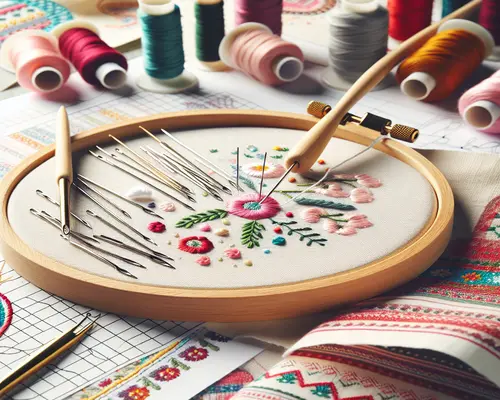
Embroidery, a skilled craft, has adorned clothing, home decor, and ceremonial garments for centuries, transcending the boundaries of time and culture. It involves the art of creating and embellishing fabric with threads of silk, wool, and other materials, often enhanced with beads, pearls, quills, and sequins. This detailed art form requires precise stitches, an eye for design, and patient dedication.
Historical Background of Embroidery
The origins of embroidery are ancient, with evidence tracing back to Cro-Magnon days, 30,000 BC. Its presence in historical artifacts from ancient Egypt, the Iron Age, and medieval Europe highlights its importance in human history and culture. Embroidery in the medieval period was considered a symbol of status and wealth. Artisans would create elaborate designs for royalty and clergy, a tradition that continues in various forms across the globe.
Types of Embroidery Techniques
Embroidery encompasses various techniques, each unique to the culture and era they originated from.
Cross Stitch
One of the oldest and most straightforward forms, cross-stitch, creates x-shaped stitches to form a picture or pattern.
Crewel Work
Known for its use of wool yarns on linen twill, crewel work produces an embossed effect that adds depth to the textile.
Goldwork Embroidery
Goldwork uses metal threads to create surface embroidery that reflects light beautifully, typically used in ceremonial attire and furnishings.
Modern Applications of Embroidery
In contemporary contexts, embroidery has seen a resurgence in popularity, thanks to its therapeutic benefits and versatility. Modern embroidery artists push the boundaries by incorporating various materials and blending techniques to create innovative designs.
Cultural Impact and Significance
Embroidery continues to be a meaningful art form in many communities. In traditional societies, specific patterns and stitches are imbued with symbolic meanings, often passed down through generations. It serves as a narrative form, telling stories of communal identities, religious beliefs, and personal milestones.
Sustainability in Embroidery
As global awareness of sustainability grows, modern embroiderers are turning to eco-friendly materials and advocating for fair trade practices, ensuring that embroidery remains relevant and responsible.
Share this article with your network!
[social_share_buttons]