Embroidery, an age-old textile art, involves decorating fabric using needle and thread. This guide delves into its techniques, history, and modern applications, providing a thorough understanding for enthusiasts and professionals alike.
Embroidery, the intricate and expressive craft of decorating fabric or other materials using a needle to apply thread or yarn, has a rich history that spans various cultures and centuries. This decorative technique is not only used for aesthetic purposes but also as a form of storytelling and cultural expression.
The History and Significance of Embroidery
Embroidery has been a pivotal part of human civilization, with its origins tracing back thousands of years. Each culture has its unique styles and techniques, which have evolved over time. From the royal tapestries of medieval Europe to the delicate silk embroidery of ancient China, this art form has been revered as a symbol of status and skill. The technique has been passed down through generations, continuously evolving with advancements in materials and methods.
Traditional vs. Modern Embroidery
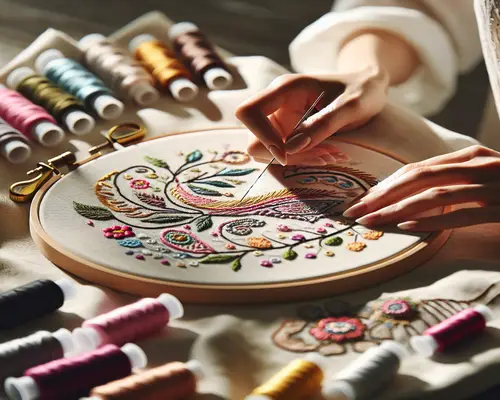
The contrast between traditional and modern embroidery lies in both technique and application. Traditional embroidery is often characterized by hand-sewn designs, using techniques like cross-stitch, backstitch, and French knots. In contrast, modern embroidery frequently utilizes machines, enabling faster production and more intricate designs. This evolution speaks to technological advancements that allow for both mass production and the preservation of artisan techniques. Interested readers can find deeper insights into various embroidery types at Types of Embroidery.
Embroidery Techniques and Materials
Embroidery involves various techniques that differ in complexity and artistic styles. Some popular methods include:
– **Surface Embroidery**: Utilizing the fabric base without counting the fabric threads.
– **Counted-thread Embroidery**: Patterns are created by making stitches over a predetermined number of threads in the fabric base.
– **Freestyle Embroidery**: This style is more about creativity, allowing the stitcher to decide the placement and type of stitches.
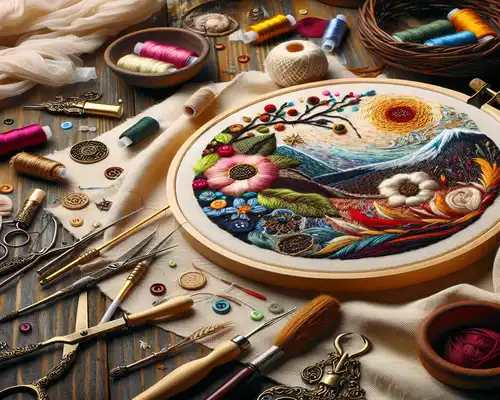
The choice of materials in embroidery is crucial, as it influences both the look and the durability of the finished product. Common embroidery threads include silk, cotton, wool, and synthetic fibers, each offering different textures and effects.
The Role of Embroidery in Fashion
In the world of fashion, embroidery has been a staple for enhancing the beauty and value of garments. It adds color, texture, and individuality to everyday wear and haute couture alike. The importance of using the right embroidery techniques in fashion can be further explored in the article Why We Need an Embroidery Machine. Designers often employ embroidery to convey thematic narratives in their collections, making each piece a wearable work of art.
Learning and Practicing Embroidary
For those interested in taking up embroidery, numerous resources are available. Beginners can start with basic stitches and gradually move to more complex designs. Online tutorials, workshops, and books are great ways to learn and improve your skills. Practicing this craft can be both a relaxing hobby and a profitable entrepreneurial endeavor, inspiring a creative outlet and offering potential for unique, marketable products.
Embroidery as a Cultural Expression
Embroidery holds significant cultural importance in many societies. It can signify status, religious beliefs, ethnic identity, and even political alignment. The narrative quality of embroidery, where each stitch represents a part of a larger story, is profoundly impactful in cultural attire and ceremonial garments.
In conclusion, embroidery is not merely a craft but a complex interaction between art, culture, and technology. Its ability to adapt and evolve continues to make it relevant in contemporary artistic and commercial realms. For those captivated by the beauty and intricacy of embroidered designs, diving deeper into this textile art promises a rewarding journey.