Understanding the types of sewing machines is essential for both novice and expert tailors. This guide explores various models, their functionalities, and how to select the perfect one for your crafting needs.
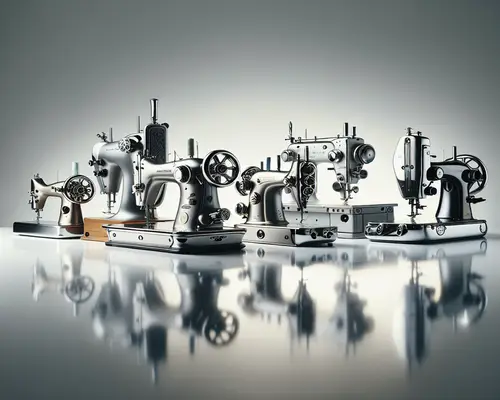
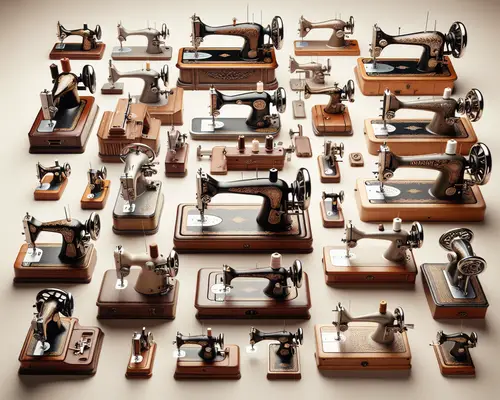
Sewing machines come in various types, each designed to meet specific needs and functionalities. Whether you’re a beginner looking to embark on simple projects or a seasoned professional, knowing the different types of sewing machines can enhance your sewing experience and improve your craftsmanship.\\n\\n### **Mechanical Sewing Machines**\\n**Mechanical sewing machines** are perhaps the most traditional type of machines known for their simplicity and durability. They are manually operated and are ideal for basic sewing tasks. These machines are typically more affordable, making them a great choice for beginners. However, they require a bit more effort and skill to handle more complex tasks.\\n\\n### **Electronic Sewing Machines**\\n**Electronic sewing machines** are a step up from mechanical models, offering more precision and flexibility. These machines are powered by electricity and come with various automatic features such as thread cutting, tension adjustment, and stitch selection. They are suitable for more detailed and elaborate sewing projects.\\n\\nH3: **Embroidery Machines**\\n**Embroidery machines** are specialized for decorative stitching. They are perfect for those looking to add beautiful embroidered patterns to garments and other fabric items. These machines come with built-in designs and can also be connected to computers for even more customization and precision.\\n\\n### **Overlock Machines (Serger)**\\n**Overlock machines**, also known as sergers, are used to seam and overcast the edges of fabric quickly and professionally. They are crucial for preventing fabric from fraying and give a factory finish to garments. Overlock machines are especially useful for handling stretchy fabrics.\\n\\n### **Quilting Machines**\\n**Quilting machines** are similar to regular sewing machines but are specifically made for quilting. They have a longer arm to accommodate more fabric and provide various stitch patterns that can add depth and texture to quilts.\\n\\n### **Industrial Sewing Machines**\\n**Industrial sewing machines** are built for long-lasting durability and performance. They are commonly used in the manufacturing industry where high-speed, volume, and precision are required. These machines can handle a variety of fabrics, from lightweight silks to heavy leathers and denims.\\n\\nEach type of sewing machine offers unique features and benefits. When choosing a sewing machine, consider the fabric you will use, the projects you plan to undertake, and your own skill level.\\n\\nFor more insights, check out [Why We Need Sewing Machines](https://winterclothesfashion.com/why-we-need-sewing-machine/), which delves into the indispensable role these machines play in our daily tailoring tasks.\\n\\nWhile selecting the right type of sewing machine, referring to expert reviews and guides can be quite beneficial. Sites like [SewingMachinePlus.com](http://www.sewingmachinesplus.com/index.php) not only offer in-depth reviews but also various models suited for every type of sewer.\\n\\nLearning about different types of sewing machines empowers you to make informed decisions, maximizing your efficiency and creativity in sewing.