Knit dyeing is a process used in the textile industry to add color to knitted fabrics. This method involves immersing the fabric in a dye bath, allowing the color to penetrate evenly throughout the material. It enables vivid and uniform coloring of knit garments, ensuring vibrant shades and patterns. This technique is popular for enhancing the appearance and appeal of knitted textiles, from casual wear to specialized clothing.
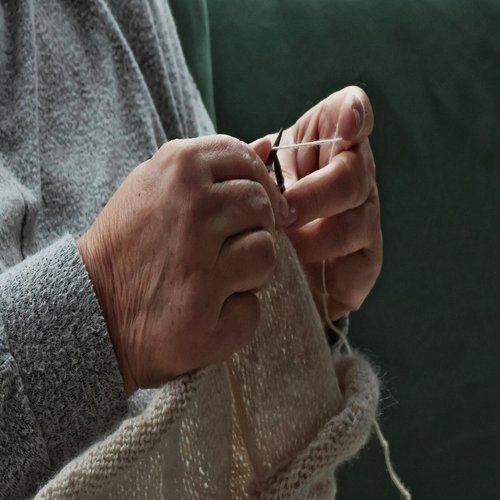
Knit Dyeing: A Deeper Look
Knit dyeing is the process of coloring fabrics or yarns made from knit materials. It involves applying color to the entire fabric or yarn, resulting in vibrant and uniform hues. This technique is widely used in the textile industry to create a wide range of colored knit fabrics used in apparel, home furnishings, and other textile products.
The Process of Knit Dyeing
The process of knit dyeing can vary depending on the type of fabric or yarn being dyed. However, the basic steps involved in knit dyeing include:
1. Pre-treatment: This step involves preparing the fabric or yarn for the dyeing process by removing any impurities or surface treatments that may interfere with the dye absorption.
2. Dyeing: The fabric or yarn is then immersed in a dye bath containing the desired color. The dye penetrates the fibers of the fabric or yarn, resulting in a permanent color change.
3. Fixation: After dyeing, the fabric or yarn is treated with chemicals to fix the dye and make it colorfast. This ensures that the color will not fade or wash out easily.
Types of Knit Dyeing
There are several methods of knit dyeing used in the textile industry, each offering unique advantages and outcomes. Some common types of knit dyeing include:
1. Piece Dyeing: In this method, the fabric is dyed as a whole piece before being cut and sewn into garments or other products. This technique allows for uniform color across the entire fabric.
2. Yarn Dyeing: Yarn dyeing involves coloring the yarn before it is knitted into fabric. This method is used to create fabrics with intricate patterns and designs that are not possible with piece dyeing.
3. Garment Dyeing: Garment dyeing is the process of dyeing garments after they have been cut and sewn. This method allows for a wide range of colors and effects, as well as the ability to dye different components of a garment separately.
Advantages of Knit Dyeing
Knit dyeing offers several advantages over other dyeing methods, including:
1. Color Uniformity: Knit dyeing results in fabrics with uniform color throughout, ensuring consistent and high-quality end products.
2. Design Flexibility: Knit dyeing allows for a wide range of color options and effects, making it ideal for creating custom patterns and designs.
3. Colorfastness: Knit-dyed fabrics are treated to be colorfast, meaning the colors will not fade or wash out easily, ensuring long-lasting vibrancy.
Challenges of Knit Dyeing
Despite its advantages, knit dyeing also comes with some challenges, including:
1. Color Matching: Achieving consistent color matching across different dye lots can be difficult, leading to variations in color between batches.
2. Environmental Impact: The chemicals used in the dyeing process can be harmful to the environment if not properly managed and disposed of.
3. Cost: Knit dyeing can be a costly process, especially when complex colors or designs are involved, making it less accessible for smaller producers.
Future Trends in Knit Dyeing
As technology advances and consumer preferences evolve, the future of knit dyeing is likely to see several trends, including:
1. Sustainable Dyeing: With increasing awareness of environmental issues, there is a growing demand for sustainable dyeing methods that minimize waste and use eco-friendly dyes.
2. Digital Printing: Digital printing technologies are enabling more efficient and precise color application, reducing water and chemical usage in the dyeing process.
3. Customization: Consumers are increasingly seeking personalized and unique products, driving the demand for customized dyeing services that offer bespoke colors and designs.
Conclusion
Knit dyeing is a versatile and essential process in the textile industry, allowing for the creation of vibrant and customizable fabrics used in a wide range of products. While it comes with its challenges, ongoing innovations and trends are shaping the future of knit dyeing towards more sustainable and efficient practices.
Recommended Reading
- Bag Sewing Machine
- Understanding Dying: The Process and Its Meaning Explained
- Ultimate Guide to Sustainable Fashion in Bangladesh
- Hello world!
- Top Winter Clothes Fashion USA Trends for 2023
In conclusion, knit dyeing is a process used to add color to knitted fabrics or garments. This technique involves immersing the material in a dye solution to achieve the desired hue and shade. Knit dyeing is essential for creating unique and vibrant designs in the textile industry.