Dying is the natural process marking the end of life, as the body ceases to function. It involves complex physical and emotional changes, influenced by various factors such as health, age, and circumstances. Understanding the dying process can provide comfort and clarity, helping individuals make informed decisions about end-of-life care while embracing the profound transition with compassion and dignity.

What is Dying?
Dying is a natural process that marks the end of life for living organisms. It is the cessation of all vital functions in an organism, leading to its eventual death.
Physical Aspect of Dying
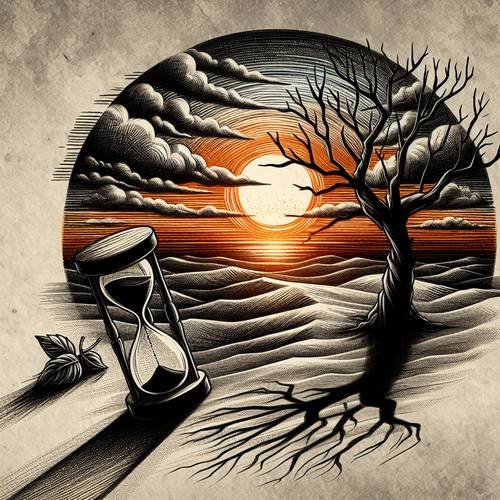
The physical aspect of dying involves the breakdown of bodily functions and systems. This can manifest as organ failure, loss of consciousness, and a decrease in overall body functions. The physical process of dying can vary depending on the cause of death and individual factors.
Emotional Aspect of Dying
The emotional aspect of dying involves the complex feelings and thoughts that individuals experience as they approach the end of their life. This can include feelings of fear, sadness, acceptance, and peace. The emotional journey of dying is unique to each individual and can greatly influence their experience of death.
Social Aspect of Dying
The social aspect of dying involves the interactions and relationships that individuals have with others as they approach their end of life. This can include support from family and friends, as well as cultural and religious practices surrounding death. The social context of dying can provide comfort and understanding to individuals facing their mortality.
Spiritual Aspect of Dying
The spiritual aspect of dying involves the beliefs and practices that individuals hold regarding the afterlife and existence beyond death. This can include religious beliefs, spiritual practices, and cultural traditions that provide individuals with a sense of peace and comfort as they approach death. The spiritual aspect of dying can offer solace and guidance during this challenging time.
Psychological Aspect of Dying
The psychological aspect of dying involves the mental processes that individuals go through as they come to terms with their mortality. This can include thoughts of regret, reflection, and acceptance of death. The psychological journey of dying can be a deeply personal and introspective experience for individuals facing the end of their life.
Impact of Dying on Loved Ones
Dying not only affects the individual facing their mortality but also has a profound impact on their loved ones. Family members and friends may experience grief, sadness, and a range of other emotions as they come to terms with the impending loss of their loved one. The support and understanding of loved ones can greatly influence the dying process for the individual and help provide comfort and closure.
Coping with Dying
Coping with the dying process involves a range of strategies and techniques that individuals can use to navigate their journey towards death. This can include seeking support from loved ones, engaging in spiritual practices, and finding ways to express their emotions and fears surrounding death. Coping with dying is a deeply personal and individualized process that can help individuals find peace and acceptance as they approach the end of their life.
Conclusion
In conclusion, dying is a natural process that marks the end of life for living organisms. It involves physical, emotional, social, spiritual, and psychological aspects that can greatly influence an individual’s experience of death. Understanding and coming to terms with the dying process can help individuals find peace, acceptance, and closure as they approach the end of their life.
Dying is the process of a living organism ceasing to function and ultimately coming to an end. It is a natural part of life and can happen for a variety of reasons, including old age, illness, or injury.